Column · @jaspervcjv987
Assisted Living vs. Independent Living vs. Nursing Homes: Deciphering Senior Care Options
Business Name: BeeHive Homes of Goshen
Address: 12336 W Hwy 42, Goshen, KY 40026
Phone: (502) 694-3888
BeeHive Homes of Goshen
We are an Assisted Living Home with loving caregivers 24/7. Located in beautiful Oldham County, just 5 miles from the Gene Snyder. Our home is safe and small. Locally owned and operated. One monthly price includes 3 meals, snacks, medication reminders, assistance with dressing, showering, toileting, housekeeping, laundry, emergency call system, cable TV, individual and group activities. No level of care increases. See our Facebook Page.
12336 W Hwy 42, Goshen, KY 40026
Business Hours
Families rarely begin looking into senior care on a calm Tuesday with plenty of time to believe. Regularly, the search begins after a fall, a hospitalization, or a slow realization that life is becoming harder than it ought to be. The terms sound comparable, the sales brochures all look reassuring, yet the differences between assisted living, independent living, nursing homes, and even respite care are considerable and can affect safety, expense, self-respect, and quality of life.
I have sat with families around cooking area tables where brother or sisters argued over what "self-reliance" really meant for their father. I have enjoyed locals thrive when moved to the right level of care a couple of months previously than they desired. I have actually also seen the damage when somebody stays in the incorrect setting merely due to the fact that nobody wanted to have a difficult conversation.
This guide is meant to assist you decode the choices, understand the real trade‑offs, and recognize when each kind of senior care makes sense.
Starting with the individual, not the building
Before you compare structure types, begin with the actual person: their regimens, health conditions, character, and choices. The same structure can be a best suitable for a single person and a miserable inequality for another.
Three concerns guide most great choices in elderly care:
- What does a typical day look like now, and where are the discomfort points or safety risks?
- What medical or cognitive conditions exist today, and how stable are they?
- How likely is modification in the next one to 3 years, and how quick might things deteriorate?
A proud, highly social 80‑year‑old with arthritis who handles medications well is a different case than a 78‑year‑old with mild dementia who lives alone and sometimes forgets the range. Both might say, "I'm great in your home," however their risk profiles are not the same.
Only once you have a clear picture of the person does the terminology of independent living, assisted living, and nursing homes end up being useful.
Independent living: flexibility with a security net
Independent living communities are created for older grownups who can handle most or all activities of daily living on their own, but who want less home maintenance and more social contact. They typically appear like apartment complexes, condominiums, or cottages clustered around shared dining and activity spaces.
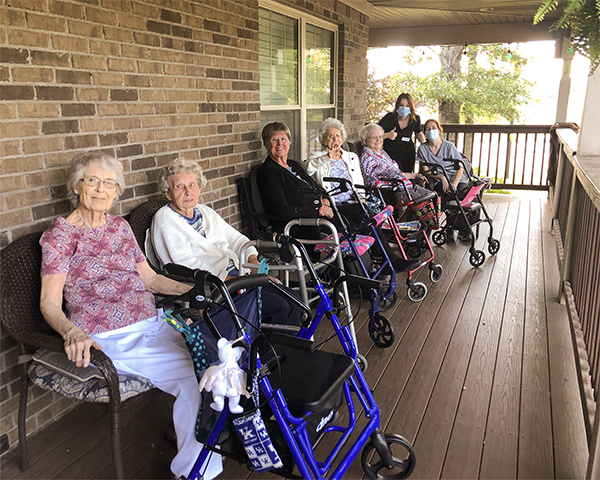
Typical functions include housekeeping, one or two daily meals in a communal dining-room, transport to consultations, and a busy calendar of social events and getaways. Staff may exist around the clock, but mainly for hospitality, not hands‑on care.
Independent living fits finest when a person:
- Can bathe, gown, toilet, and move separately or with minimal assistive devices
- Manages medications without regular reminders
- Has steady chronic conditions (for instance, well‑controlled diabetes or high blood pressure)
- Is cognitively undamaged or only mildly impaired without dangerous behaviors
- Feels isolated or overwhelmed by home upkeep but not hazardous alone
The trade‑off is that independent living provides limited direct care. Some communities offer add‑on services through home care agencies that can assist with bathing or medications in the resident's apartment. These can bridge the space when requirements are light but increasing.
I once worked with a retired teacher who moved to independent living after her hubby passed away. She was physically capable but lonely and fed up with keeping a big home. Within months, her blood pressure improved and her medication adherence supported, not due to the fact that the structure supplied medical care, but due to the fact that she consumed better, walked more with good friends, and felt engaged once again. For her, the "care" came indirectly through way of life changes.
However, I have actually likewise seen families put a parent with advancing dementia in independent living due to the fact that the parent refused any "care" label. Within weeks there were reports of wandering, misplaced medications, and kitchen events. Staff were respectful but clear: independent living was not created or licensed to deal with that level of danger. A second move became inescapable, this time with even more distress.
Assisted living: support with every day life, social structure, and some supervision
Assisted living sits in the middle of the care spectrum. Residents reside in personal or semi‑private homes but receive help with day-to-day jobs and regular oversight from care staff. The goal is to maintain as much independence as possible while lowering threat and burden.
Assisted living is proper when somebody:
- Needs assist with several activities of daily living such as bathing, dressing, grooming, or toileting
- Requires medication reminders or management
- Has movement difficulties and is at higher threat of falls
- Shows moderate to moderate cognitive changes, but not unsafe behaviors that require 24‑hour nursing care
- Benefits from having personnel routinely sign in, however does not need consistent one‑on‑one supervision
Daily life in assisted living normally consists of 3 meals, housekeeping, laundry, social activities, and set up transportation. The care group produces a strategy outlining what help is required and how typically. Some homeowners just get early morning and night assistance, while others require support throughout the day.
From an expert's perspective, the quality of an assisted living community is less about the chandelier in the lobby and more about 3 functional details:
- Staffing ratios and stability. High turnover frequently signals much deeper problems.
- How quickly personnel react to call buttons and requests.
- How the neighborhood manages modifications in condition, such as a resident who starts falling or ends up being more confused.
I remember a resident in assisted living who at first only needed help with showers twice a week and tips for night medications. Over two years, arthritis worsened and she began to require everyday dressing help and a walker. Due to the fact that the assisted living group monitored her regularly, they adjusted her care plan slowly rather of awaiting a crisis. She remained in that very same home for four years before a significant stroke required nursing home care.
Families in some cases assume assisted living is a medical environment. It is not. A lot of assisted living facilities are not equipped to manage feeding tubes, complex wound care, or unsteady medical conditions. Their licenses and staffing models concentrate on everyday living assistance, not hospital‑level care.
Nursing homes: medical care and extensive support
Nursing homes, also called experienced nursing facilities, provide the greatest level of care outside of a healthcare facility. They are proper for people who require 24‑hour nursing supervision, complex medical treatments, or comprehensive support with essentially all daily activities.
Residents in nursing homes may be recovering from significant surgical treatment, strokes, or serious infections. Others have actually advanced persistent conditions, such as heart failure or late‑stage dementia, that make living in a less monitored environment unsafe.
Nursing homes vary from assisted living and independent living in a number of crucial ways:
- They needs to have accredited nurses on responsibility around the clock.
- They offer skilled services, such as IV medications, injury care, post‑surgical rehab, and complicated medication regimens.
- They frequently coordinate carefully with physicians, therapists, and hospitals.
- The environment feels more medical, with shared rooms more typical and personal privacy often compromised.
Some individuals stay in nursing homes only short‑term for rehabilitation after a medical facility stay. Others live there long‑term since their needs can not be securely fulfilled somewhere else. It is not unusual for someone to move from home to the health center after a crisis, then to a nursing home for rehabilitation, and ultimately to assisted living once they stabilize.
Families frequently have a hard time emotionally with the concept of a nursing home, envisioning just the worst facilities they have found out about. The reality is differed. I have actually seen thoughtful, well‑staffed nursing homes where homeowners and households felt supported and heard, and others where extended staffing made fundamental tasks feel rushed. Due diligence matters.
Where respite care fits in
Respite care describes short‑term stays or services designed to provide family caregivers a break. It can take numerous forms: a weekend in assisted living, a few weeks in a nursing home for rehab and supervision, or daily visits to an adult day program.
This kind of senior care is frequently underused since households feel guilty or think they need to "manage" on their own. In practice, respite care can prevent burnout, decrease hospitalizations, and extend the amount of time a person can securely stay at home.
Common factors families use respite care consist of caretaker exhaustion, a prepared surgery or trip for the main caretaker, or a trial period to see how a loved one gets used to a new environment. Numerous assisted living and nursing home communities offer supplied respite spaces so someone can remain anywhere from a couple of days to a couple of months.
I once worked with a daughter taking care of her mother with advancing dementia in the house. She resisted respite, insisting she could handle everything, till she landed in the health center with pneumonia. Her mother moved into a respite bed in assisted living while the child recovered. Both ended up benefiting. The daughter recognized how much 24‑hour caregiving had drawn from her, and her mother enjoyed the structured activities and social contact. After a second scheduled respite stay, the household chose to make assisted living permanent.
Respite care can also become part of prepared shifts. A person may begin with brief stays in assisted living, get comfortable with personnel and regimens, and eventually move in full‑time when home life ends up being too difficult.
Side by‑side contrast: what actually changes from one level to the next
Families often want a simple way to compare alternatives without reading dozens of brochures. The following table outlines normal differences, however keep in mind that regional guidelines and community policies can shift the details.
|Aspect|Independent living|Assisted living|Nursing home|| ------------------------------|------------------------------------------|---------------------------------------------------|-----------------------------------------------|| Main focus|Lifestyle, socialization, benefit|Daily living support, guidance, social life|Healthcare, rehab, intricate support|| Care personnel on site|Limited, frequently non‑medical|Care aides, medication techs, some nurse oversight|Nurses and assistants 24/7|| Assist with ADLs|Rare or through external home care|Yes, based on care strategy|Comprehensive, normally with many ADLs|| Medication management|Resident self‑manages or external assistance|Personnel manage or monitor|Personnel handle nearly totally|| Medical intricacy handled|Low|Low to moderate|Moderate to high, complicated conditions|| Common resident profile|Independent, socially active|Requirements some physical or cognitive support|Frail, medically complicated, or advanced dementia|| Length of stay pattern|Numerous years, may move when needs grow|Several years, may transition to nursing home|Short‑term rehabilitation or long‑term high‑need care|
The secret is to match present and near‑future requirements to the ideal column. Someone with slowly progressive Parkinson's might begin in independent living, transfer to assisted living as mobility and care requirements increase, and later need a nursing home if swallowing or breathing issues arise.
Costs, agreements, and covert financial traps
The financial side of elderly care is often more complicated than the care itself. The same month-to-month charge can imply extremely various things depending upon what is included.
Independent living usually charges regular monthly lease plus optional services. Meals, housekeeping, and basic transportation are normally included, while extra help, if readily available, costs more. Medical insurance seldom spends for independent living because it is not categorized as medical care.
Assisted living usually includes a base rate covering housing, meals, and standard services, plus a care fee based upon the level of assistance required. That care charge can increase as needs increase. Families in some cases select a setting that is economical at the most affordable care level but battle once the care strategy is updated and regular monthly costs dive. Long‑term care insurance may help if the policy covers assisted living and certain requirements are met.
Nursing homes have a various model. Short‑term rehab after hospitalization might be partially or fully covered by public or private insurance coverage under specific conditions, usually for a minimal number of days. Long‑term custodial care is often paid of pocket up until an individual qualifies for need‑based public coverage. Monetary rules can be complex, and missteps in preparing for nursing home care can have long‑term repercussions for a spouse still living at home.
Whenever families tour communities, I encourage them to ask one easy however revealing concern: "Program me 3 real examples, with names eliminated, of how your prices changed over time for residents whose care needs increased." Neighborhoods that can walk you through sample histories usually have a more transparent approach.
Safety, autonomy, and self-respect: the three‑way balancing act
Every senior care setting grapples with the exact same triangle: security, autonomy, and self-respect. You can push hard in one instructions, but the other corners move.
Independent living prefers autonomy and self-respect. Homeowners lock their own doors, handle their own regimens, and decline activities they do not enjoy. That flexibility includes more danger. Somebody might fall in their apartment and not be found right away.
Nursing homes lean heavily into security. Bed alarms, frequent checks, and structured routines reduce threat but can feel limiting. For some citizens, that level of oversight is not simply proper but needed. For others, it may feel like too much control.
Assisted living attempts to sit in the middle, which causes many nuanced decisions. Should a resident who enjoys strolling outdoors be permitted to go out alone if they sometimes forget their method back, or should staff demand an escort? There is no single proper response. Families, citizens, and personnel needs to negotiate these choices based on threat tolerance, legal requirements, and quality of life.
I typically inform families that outright safety is neither reasonable nor gentle. The objective is "reasonable security" lined up with the person's values. A former farmer who invested his life outdoors may really choose a small danger of falling on a garden path to ideal security in a recliner. Listening to his story matters.
When to think about a modification in level of care
Most families postpone transitions longer than is perfect. They hope things will support or enhance. Sometimes they do, however persistent conditions typically advance. Early, thoughtful moves typically produce much better outcomes than emergency situation movings after a crisis.
Watch for these signs that the current setting may no longer be proper:
- Frequent falls, near‑misses, or brand-new movement issues that existing assistance can not address
- Medication mistakes, missed doses, or confusion about programs, even with reminders
- Worsening incontinence that overwhelms current staffing or home caregivers
- Uncontrolled wandering, exit‑seeking, or habits that put the person or others at risk
- Repeated hospitalizations for avoidable problems like dehydration, poor nutrition, or without treatment infections
Any single elder care incident might be manageable. Patterns matter more. When two or three of these indications persist over a couple of months, it is time to ask whether the level of care still matches the level of need.
I worked with a couple where the other half had moderate dementia and the spouse demanded taking care of him in the house. Over a year, small incidents kept accumulating: a pot left on the stove, a nighttime wandering episode, a minor vehicle accident. Each incident alone appeared "handleable." Together, they informed a various story. By the time he moved to assisted living, his requirements were closer to what a nursing home might deal with, and the adjustment was harder. If they had actually moved a year previously, he likely could have remained in assisted living much longer.
A practical structure for families dealing with a decision
When families feel overwhelmed, a structured discussion can cut through the feeling. I typically recommend they sit together and quickly jot down answers to a few focused concerns:
- What can our loved one do separately today, without help or triggers, throughout bathing, dressing, toileting, walking, eating, and taking medications?
- What are the leading 3 threats that worry us the most, based upon recent events, not on hypothetical fears?
- How much hands‑on care are we realistically able and willing to offer in the house over the next year, taking caretaker health and work into account?
- How does our loved one define a life worth living: maximum self-reliance, maximum comfort, staying together as a couple, or something else?
- What financial resources exist, consisting of cost savings, earnings, long‑term care insurance, and potential public programs, and what is the most likely time horizon?
This exercise does not offer you a neat answer, but it clarifies priorities and restrictions. A household who discovers their biggest fear is "Mom will be alone when she falls once again" is searching for different options than a family whose primary concern is "Dad and Mom need to stay together, even if care is complicated."
Working with experts and trusting your own judgment
Geriatricians, geriatric care supervisors, social employees, and experienced senior care organizers can be indispensable guides. They understand how regional neighborhoods actually run, beyond what the marketing materials assure. They can find inequalities in between what a family describes and what a specific setting can handle.
At the very same time, households bring knowledge that no expert can match: history, character, and values. The very best decisions come when medical insight and family knowledge satisfy. If a professional highly advises a greater level of care but your impulses resist, ask them to walk you through specific event patterns and risks they see. Information brings clarity.
Walk through neighborhoods at different times of day, not simply carefully staged tour hours. Notice how personnel talk to locals. Listen for hurried interactions versus authentic rapport. Odor, sound, and environment are all information points in assessing senior care options.
Ultimately, there is no perfect alternative, just a best available fit at a specific moment in a person's life. Assisted living, independent living, nursing homes, and respite care are tools. Utilized thoughtfully and at the correct time, they can protect dignity, minimize suffering, and support not just older grownups but the households who enjoy them.
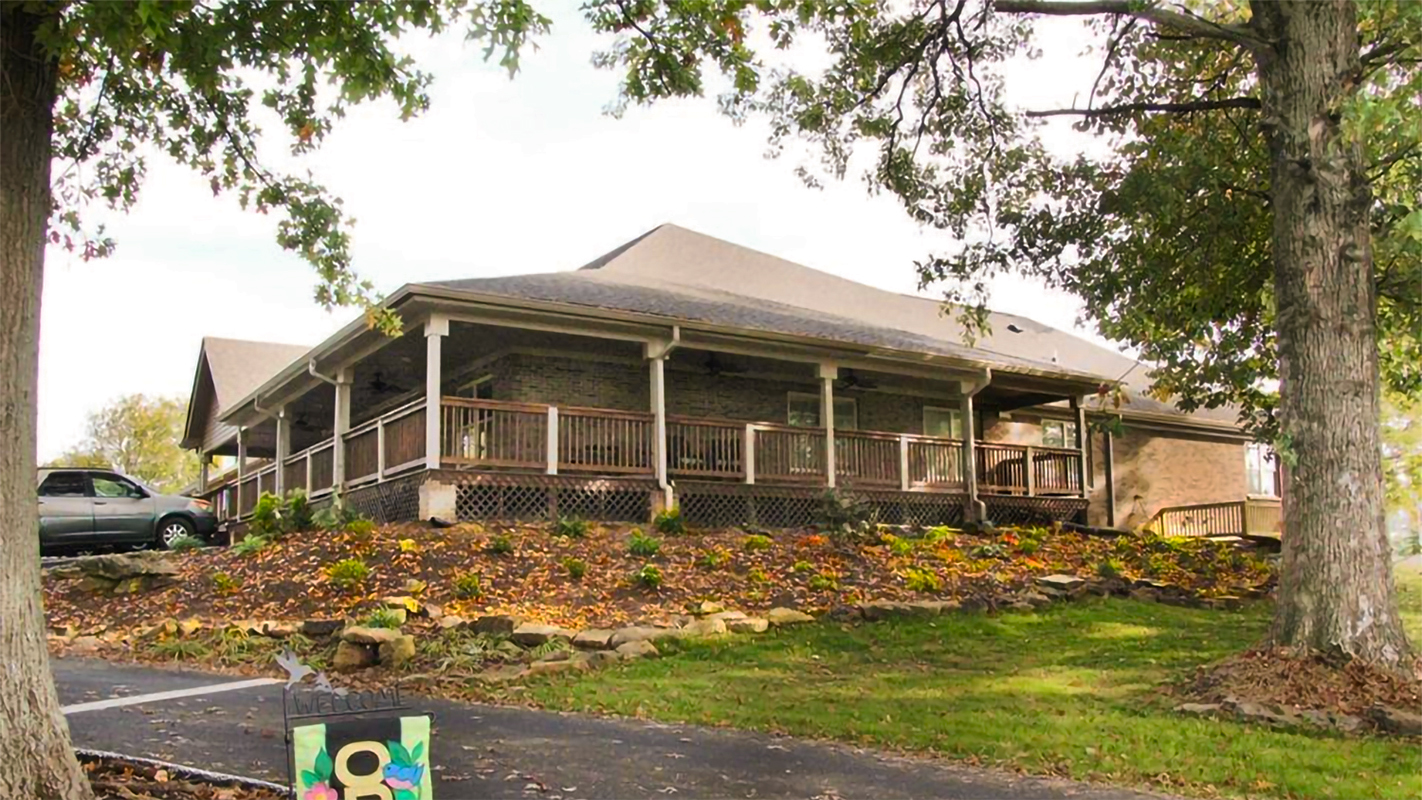
BeeHive Homes of Goshen provides assisted living care
BeeHive Homes of Goshen provides memory care services
BeeHive Homes of Goshen provides respite care services
BeeHive Homes of Goshen supports assistance with bathing and grooming
BeeHive Homes of Goshen offers private bedrooms with private bathrooms
BeeHive Homes of Goshen provides medication monitoring and documentation
BeeHive Homes of Goshen serves dietitian-approved meals
BeeHive Homes of Goshen provides housekeeping services
BeeHive Homes of Goshen provides laundry services
BeeHive Homes of Goshen offers community dining and social engagement activities
BeeHive Homes of Goshen features life enrichment activities
BeeHive Homes of Goshen supports personal care assistance during meals and daily routines
BeeHive Homes of Goshen promotes frequent physical and mental exercise opportunities
BeeHive Homes of Goshen provides a home-like residential environment
BeeHive Homes of Goshen creates customized care plans as residents’ needs change
BeeHive Homes of Goshen assesses individual resident care needs
BeeHive Homes of Goshen accepts private pay and long-term care insurance
BeeHive Homes of Goshen assists qualified veterans with Aid and Attendance benefits
BeeHive Homes of Goshen encourages meaningful resident-to-staff relationships
BeeHive Homes of Goshen delivers compassionate, attentive senior care focused on dignity and comfort
BeeHive Homes of Goshen has a phone number of (502) 694-3888
BeeHive Homes of Goshen has an address of 12336 W Hwy 42, Goshen, KY 40026
BeeHive Homes of Goshen has a website https://beehivehomes.com/locations/goshen/
BeeHive Homes of Goshen has Google Maps listing https://maps.app.goo.gl/UqAUbipJaRAW2W767
BeeHive Homes of Goshen has Facebook page https://www.facebook.com/beehivehomesofgoshen
BeeHive Homes of Goshen won Top Assisted Living Homes 2025
BeeHive Homes of Goshen earned Best Customer Service Award 2024
BeeHive Homes of Goshen placed 1st for Senior Living Communities 2025
People Also Ask about BeeHive Homes of Goshen
What does assisted living cost at BeeHive Homes of Goshen, KY?
Monthly rates at BeeHive Homes of Goshen are based on the size of the private room selected and the level of care needed. Each resident receives a personalized assessment to ensure pricing accurately reflects their care needs. Families appreciate our clear, transparent approach to assisted living costs, with no hidden fees or surprise charges
Can residents live at BeeHive Homes for the rest of their lives?
In many cases, yes. BeeHive Homes of Goshen is designed to support residents as their needs change over time. As long as care needs can be safely met without requiring 24-hour skilled nursing, residents may remain in our home. Our goal is to provide continuity, comfort, and peace of mind whenever possible
How does medical care work for assisted living and respite care residents?
Residents at BeeHive Homes of Goshen may continue seeing their existing physicians and medical providers. We also work closely with trusted medical organizations in the Louisville area that can provide services directly in the home when needed. This flexibility allows residents to receive care without unnecessary disruption
What are the visiting hours at BeeHive Homes of Goshen?
Visiting hours are flexible and designed to accommodate both residents and their families. We encourage regular visits and family involvement, while also respecting residents’ daily routines and rest times. Visits are welcome—just not too early in the morning or too late in the evening
Are couples able to live together at BeeHive Homes of Goshen?
Yes. BeeHive Homes of Goshen offers select private rooms that can accommodate couples, depending on availability and care needs. Couples appreciate the opportunity to remain together while receiving the support they need. Please contact us to discuss current availability and options
Where is BeeHive Homes of Goshen located?
BeeHive Homes of Goshen is conveniently located at 12336 W Hwy 42, Goshen, KY 40026. You can easily find directions on Google Maps or call at (502) 694-3888 Monday through Sunday 7:00am to 7:00pm
How can I contact BeeHive Homes of Goshen?
You can contact BeeHive Homes of Goshen by phone at: (502) 694-3888, visit their website at https://beehivehomes.com/locations/goshen/, or connect on social media via Facebook
You might take a short drive to the Howard Steamboat Museum. The Howard Steamboat Museum offers local history exhibits that create a meaningful assisted living and memory care outing during senior care and respite care visits.